Google Stitch is moving fast, but it is not the only way to turn an idea into an interface with AI. The useful question is not ‘what looks like Stitch?’ It is ‘what do you need Stitch to do better?’ The answer changes depending on whether you care about design systems, code, collaboration, or website structure.
Key Takeaways
- Figma Make is the strongest pick for turning design context into functional prototypes and web experiences.
- Claude Design is the strongest pick for conversational visual work tied closely to Claude and Claude Code.
- Uizard is the strongest pick for quick editable UI concepts for designers and non-designers.
- Visily is the strongest pick for AI-assisted UI ideation for product teams that want fast editable results.
- Lovable is the strongest pick for building complete web apps through conversation with visual editing and cloud services.
Why You Might Want a Stitch Alternative
Choose an alternative because you need a specific advantage: a mature collaborative design system, stronger code output, a simpler interface for non-designers, a real application backend, or a structure-first website workflow. ‘Similar to Stitch’ is too vague to be useful.
How the Alternatives Split
- UI generation quality
- Design-system support
- Collaboration
- Code path
- Learning curve
- Maturity of the workflow
Quick Comparison
| Tool | Best For | Biggest Strength | Watch Out For |
|---|---|---|---|
| Figma Make | Turning design context into functional prototypes and web experiences | The strongest reason to choose it is continuity. | It makes the most sense inside a Figma-heavy workflow. |
| Claude Design | Conversational visual work tied closely to claude and claude code | The tight relationship with Claude Code is the differentiator. | It is still a relatively young product. |
| Uizard | Quick editable ui concepts for designers and non-designers | It is particularly useful when the person shaping the product idea is not a full-time UI designer. | The ceiling is lower than Figma, Sketch, or a code-backed builder when you need a large design system, advanced interactions, or highly specific production handoff. |
| Visily | Ai-assisted ui ideation for product teams that want fast editable results | For product managers and founders, that can make it a practical middle ground between a whiteboard and a heavyweight design environment. | Advanced design-system work and final production handoff may still move to Figma or another specialist. |
| Lovable | Building complete web apps through conversation with visual editing and cloud services | Its appeal is the full journey. | It builds web applications, not native iOS or Android binaries. |
| v0 | Prompt-to-frontend and full-stack web work inside the vercel ecosystem | Developers and technical product teams benefit from the proximity to modern React and Vercel workflows. | Non-technical users can get impressive first results, but production applications still need engineering decisions around architecture, data, testing, security, and maintainability. |
| Relume | Ai-assisted website sitemaps, wireframes, component-driven page planning, and export | The structure-first approach is the reason to use it. | It is not the tool for native app design or deeply custom interaction logic. |
1. Figma Make: Best for Turning design context into functional prototypes
Product: Figma Make
Figma Make sits unusually close to the rest of the product-design workflow. You can start from a prompt, attach an existing Figma frame or design context, iterate visually, and move toward a code-backed interactive result without abandoning the design file.
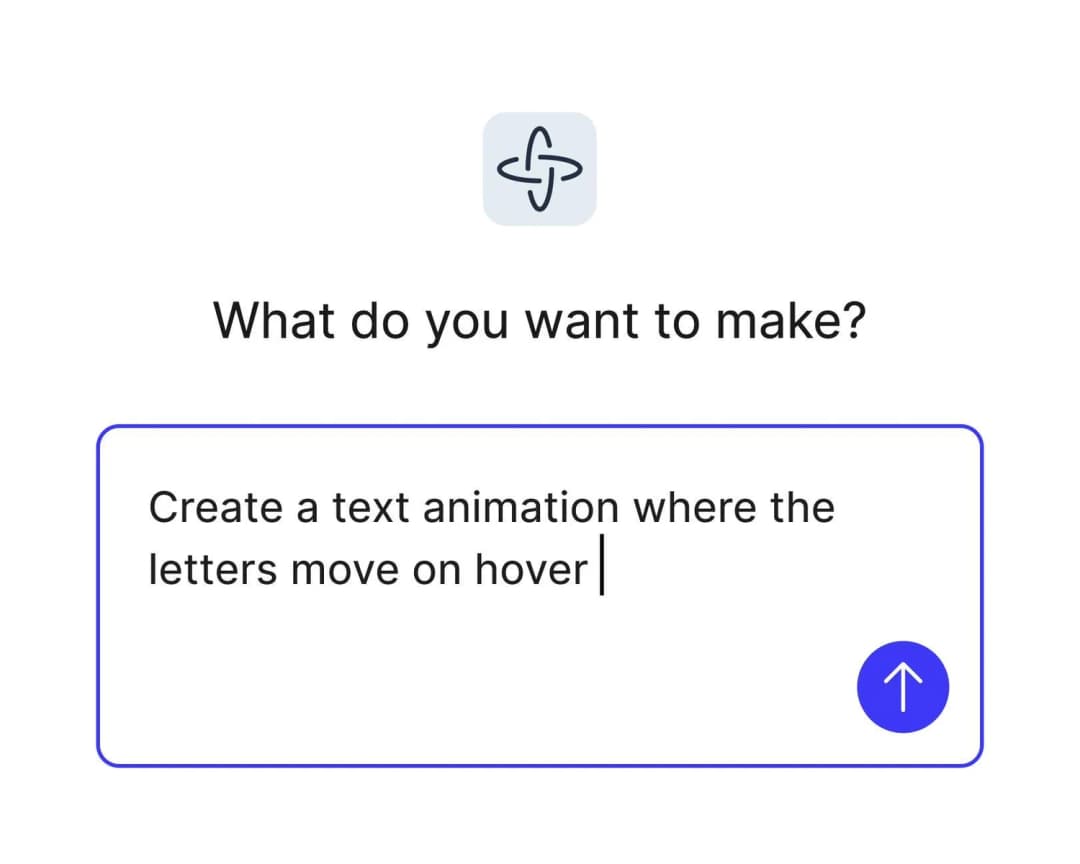
Choose Figma Make over Stitch when your priority is turning design context into functional prototypes and web experiences. That is the specific trade, not a claim that one product is universally better.
The strongest reason to choose it is continuity. Teams already using Figma can keep components, feedback, design context, and prototyping closer together instead of exporting an early idea into a completely separate AI builder.
Where it fits best
Use Figma Make when turning design context into functional prototypes and web experiences. It is particularly useful when that need is already visible in your current workflow and the team can measure whether the tool actually removes a handoff, shortens iteration, or improves the quality of the artifact.
The tradeoff
It makes the most sense inside a Figma-heavy workflow. If your team wants a standalone AI builder, a code-first IDE experience, or an open-source design stack, other options can feel less opinionated.
Current context: Figma says its 2026 State of the Designer research found 72% of designers now use generative AI, and 91% of designers who increased AI usage say it improves output quality. Source
2. Claude Design: Best for Conversational visual work tied closely to claude
Product: Claude Design
Claude Design is a chat-plus-canvas workspace for creating interfaces, prototypes, one-pagers, decks, and other visual artifacts. Its 2026 updates added design-system import, direct canvas control, inline comments, Claude Code sync, connectors, and multiple export routes.
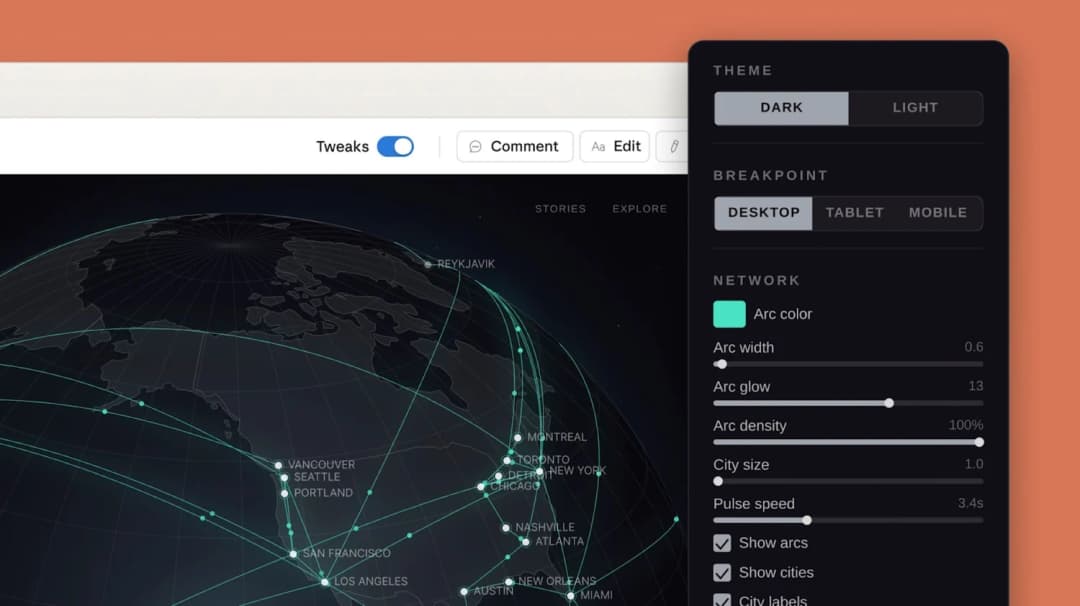
Choose Claude Design over Stitch when your priority is conversational visual work tied closely to Claude and Claude Code. That is the specific trade, not a claim that one product is universally better.
The tight relationship with Claude Code is the differentiator. A designer can explore visually, then hand context into code without translating the idea through a completely separate AI product.
Where it fits best
Use Claude Design when conversational visual work tied closely to Claude and Claude Code. It is particularly useful when that need is already visible in your current workflow and the team can measure whether the tool actually removes a handoff, shortens iteration, or improves the quality of the artifact.
The tradeoff
It is still a relatively young product. Teams that need mature component governance, years of design-tool conventions, or specialized interaction prototyping may use it beside rather than instead of established platforms.
Current context: Anthropic said more than 1 million people used Claude Design in its first week, and later added design-system import and Claude Code synchronization. Source
3. Uizard: Best for Quick editable ui concepts for designers
Product: Uizard
Uizard is built around getting from an idea to an editable interface quickly. Autodesigner can generate multi-screen app or website mockups from plain English, and the same workspace supports themes, screenshots-to-editable-design, components, flows, and interactive previews.
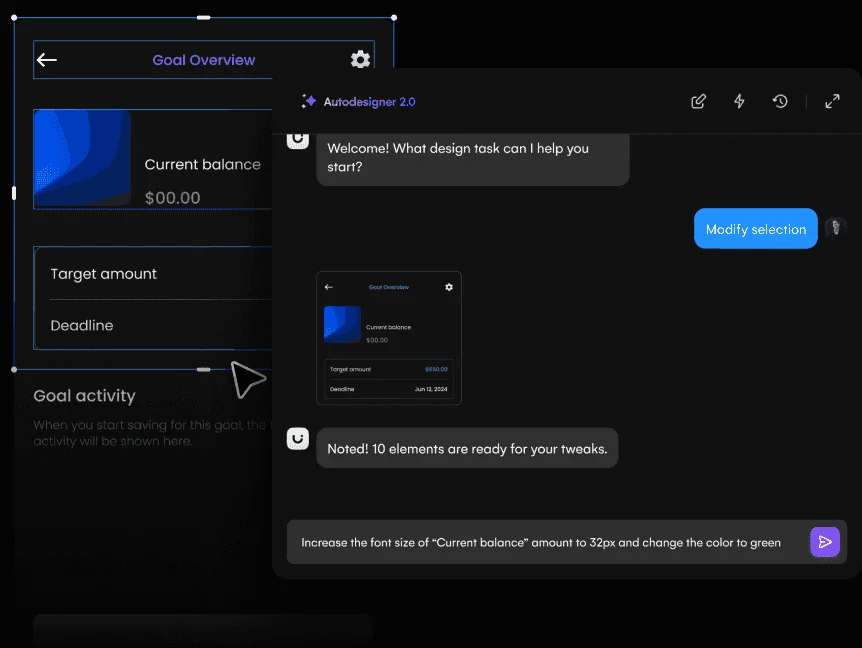
Choose Uizard over Stitch when your priority is quick editable UI concepts for designers and non-designers. That is the specific trade, not a claim that one product is universally better.
It is particularly useful when the person shaping the product idea is not a full-time UI designer. Product managers, founders, marketers, and early-stage teams can produce something concrete without learning a dense professional design environment first.
Where it fits best
Use Uizard when quick editable UI concepts for designers and non-designers. It is particularly useful when that need is already visible in your current workflow and the team can measure whether the tool actually removes a handoff, shortens iteration, or improves the quality of the artifact.
The tradeoff
The ceiling is lower than Figma, Sketch, or a code-backed builder when you need a large design system, advanced interactions, or highly specific production handoff.
Current context: Uizard describes Autodesigner as an AI system that generates multi-screen app and website mockups from plain-English prompts. Source
4. Visily: Best for Ai-assisted ui ideation for product teams that want fast editable results
Product: Visily
Visily focuses on making UI creation accessible without turning every user into a professional interface designer. It can work from text, screenshots, and existing canvas context, and its AI features are designed to keep the result editable rather than producing a static inspiration image.
Choose Visily over Stitch when your priority is AI-assisted UI ideation for product teams that want fast editable results. That is the specific trade, not a claim that one product is universally better.
For product managers and founders, that can make it a practical middle ground between a whiteboard and a heavyweight design environment. Figma import and export also reduce the cost of bringing a designer in later.
Where it fits best
Use Visily when AI-assisted UI ideation for product teams that want fast editable results. It is particularly useful when that need is already visible in your current workflow and the team can measure whether the tool actually removes a handoff, shortens iteration, or improves the quality of the artifact.
The tradeoff
Advanced design-system work and final production handoff may still move to Figma or another specialist. Visily is most compelling in ideation and early validation.
Current context: Visily’s current paid plans include AI design instructions, Figma import/export, code export, and MCP features. Source
5. Lovable: Best for Building complete web apps through conversation with visual editing
Product: Lovable
Lovable is an AI software-building environment aimed at people who want a working web app, not only a screen. It combines conversational building, visual edits, code ownership, integrations, cloud services, and GitHub sync so an early prototype can keep moving toward a real product.
Choose Lovable over Stitch when your priority is building complete web apps through conversation with visual editing and cloud services. That is the specific trade, not a claim that one product is universally better.
Its appeal is the full journey. A founder can validate an idea with real data, authentication, integrations, and deployment instead of showing users a click-through simulation.
Where it fits best
Use Lovable when building complete web apps through conversation with visual editing and cloud services. It is particularly useful when that need is already visible in your current workflow and the team can measure whether the tool actually removes a handoff, shortens iteration, or improves the quality of the artifact.
The tradeoff
It builds web applications, not native iOS or Android binaries. Teams with deep platform-specific mobile requirements will need a different toolchain.
Current context: Lovable’s current pricing page says users own their code and projects, while paid workspaces share a common credit pool rather than charging per seat. Source
6. v0: Best for Prompt-to-frontend
Product: v0
v0 is strongest when the output needs to become real web code quickly. It can generate UI and application flows, edit visually through Design Mode, sync with GitHub, and deploy to Vercel, making it more of a build environment than a static mockup generator.
Choose v0 over Stitch when your priority is prompt-to-frontend and full-stack web work inside the Vercel ecosystem. That is the specific trade, not a claim that one product is universally better.
Developers and technical product teams benefit from the proximity to modern React and Vercel workflows. You can move from idea to component to deployed preview without copying the concept through a traditional handoff chain.
Where it fits best
Use v0 when prompt-to-frontend and full-stack web work inside the Vercel ecosystem. It is particularly useful when that need is already visible in your current workflow and the team can measure whether the tool actually removes a handoff, shortens iteration, or improves the quality of the artifact.
The tradeoff
Non-technical users can get impressive first results, but production applications still need engineering decisions around architecture, data, testing, security, and maintainability.
Current context: v0’s current free plan includes visual Design Mode, GitHub sync, and Vercel deployment; paid plans add more credits and team features. Source
7. Relume: Best for Ai-assisted website sitemaps, wireframes, component-driven page planning,
Product: Relume
Relume is focused on websites rather than general-purpose app UI. It can turn a website brief into a sitemap and structured wireframes, then move those sections into a component system that connects well with Figma and Webflow-oriented workflows.
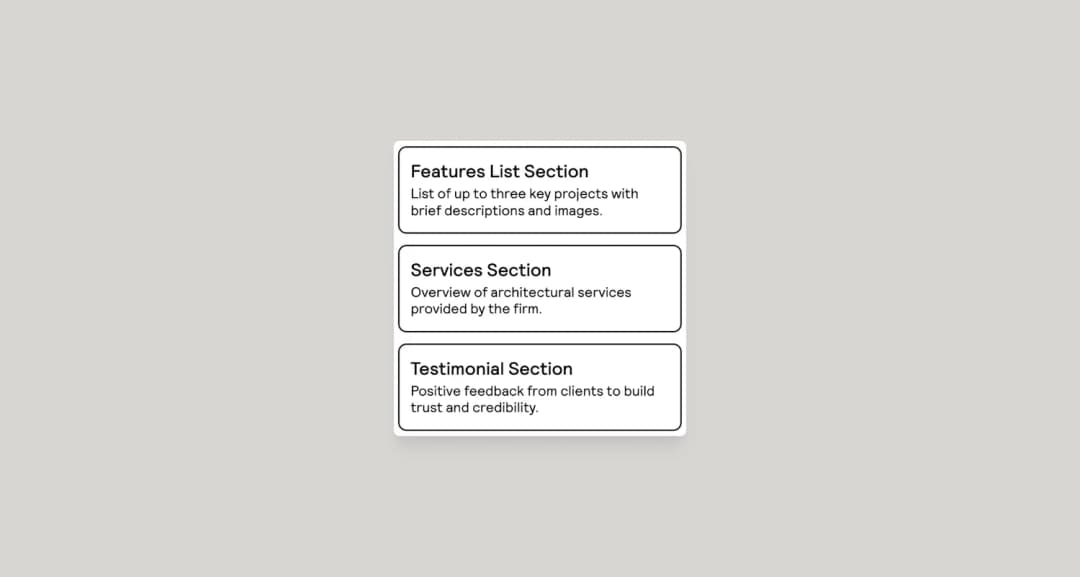
Choose Relume over Stitch when your priority is AI-assisted website sitemaps, wireframes, component-driven page planning, and export. That is the specific trade, not a claim that one product is universally better.
The structure-first approach is the reason to use it. It encourages teams to settle page inventory, section order, and content architecture before getting lost in visual details.
Where it fits best
Use Relume when AI-assisted website sitemaps, wireframes, component-driven page planning, and export. It is particularly useful when that need is already visible in your current workflow and the team can measure whether the tool actually removes a handoff, shortens iteration, or improves the quality of the artifact.
The tradeoff
It is not the tool for native app design or deeply custom interaction logic. Its strongest workflows are marketing sites, content sites, agency work, and repeatable website production.
Current context: Relume has been testing a 2026 Publish workflow that extends its sitemap-and-component model toward a hosted end-to-end website workflow. Source
Which One Should You Choose?
Choose Figma Make if your priority is turning design context into functional prototypes and web experiences. Choose Claude Design if your priority is conversational visual work tied closely to Claude and Claude Code. Choose Uizard if your priority is quick editable UI concepts for designers and non-designers.
Choose Visily if your priority is AI-assisted UI ideation for product teams that want fast editable results. Choose Lovable if your priority is building complete web apps through conversation with visual editing and cloud services. Choose v0 if your priority is prompt-to-frontend and full-stack web work inside the Vercel ecosystem. Choose Relume if your priority is AI-assisted website sitemaps, wireframes, component-driven page planning, and export.
Do not choose from the feature count alone. Pick the tool that removes the next expensive handoff in your workflow. If it only gives you a faster first draft but creates more cleanup later, the speed is mostly cosmetic.
FAQs
What is the best Google Stitch alternatives for most teams?
For most teams, Figma Make is the safest starting point because it matches the central job of this list: turning design context into functional prototypes and web experiences. The better answer can change quickly when your team has a strong platform, code, or workflow constraint.
Are free Google Stitch alternatives good enough?
Free plans are usually enough to test the workflow and judge first-result quality. The limits show up later in collaboration, AI credits, private projects, exports, version history, team controls, or production use. Test your real workflow before paying for a year.
Should AI replace the designer in this workflow?
No. AI is most useful for generating options, assembling first passes, translating structure, or automating repetitive edits. Problem framing, accessibility, product judgment, prioritization, and deciding which direction is actually right still need human ownership.
How should I evaluate these tools before buying?
Use one small real project. Give every candidate the same brief, the same existing assets, and the same correction request. Compare the second and third iterations, not just the first output. That exposes workflow friction much faster than a feature checklist.
Final Thoughts
The best Google Stitch alternatives is the one that makes the next decision cheaper. For this list, Figma Make is the strongest default, but the specialist options become better as soon as your constraint becomes specific. Match the tool to the output, handoff, and level of fidelity you actually need. That is how you get speed without simply moving the work somewhere else.
If you want to turn AI-generated ideas into a coherent, build-ready product, Omnix Studio can help with website UI/UX design and custom web app development.